Essential Plumbing Tips: How to Prevent Common Home Plumbing Problems
Homeowners frequently face numerous plumbing challenges that can lead to costly repairs. Understanding basic preventive measures is vital to keeping a plumbing system in good condition. Periodic inspections and basic upkeep can go a long way in avoiding major problems. Armed with proper tools and expertise, homeowners can manage many situations themselves. Still, recognizing when professional guidance is needed remains just as essential. The tips below will guide you toward effective plumbing maintenance.
Must-Have Plumbing Tools for Every Homeowner
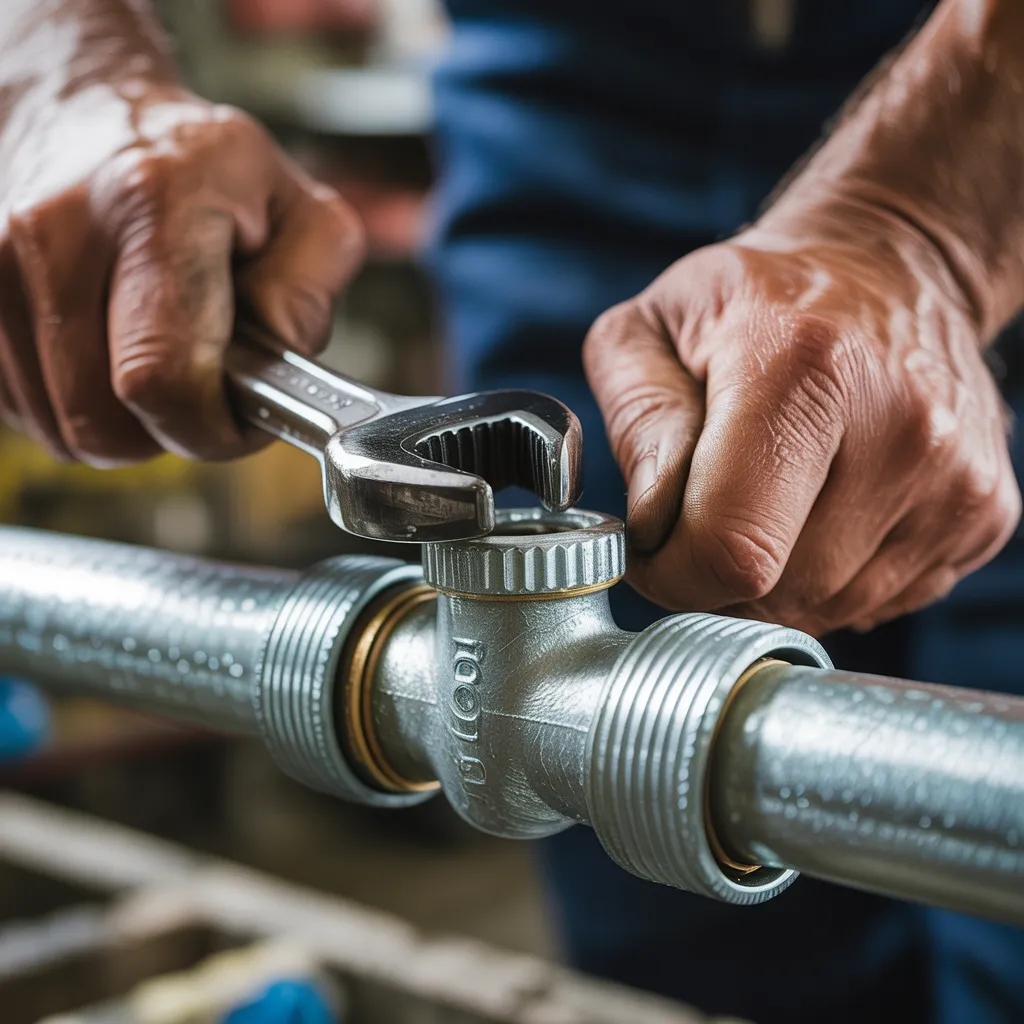
When property owners deal with plumbing challenges, having the proper tools available can be extremely beneficial. Key tools for addressing frequent plumbing issues consist of a plunger, which is vital for clearing clogged drains, along with a pipe wrench, which offers the required grip for securing or releasing plumbing connections. A basin wrench proves equally useful for accessing confined areas and fastening faucet connections.
Moreover, a set of adjustable wrenches allows for versatility across different sizes of nuts and bolts. It is advisable for homeowners to invest in a plumbing snake to tackle stubborn clogs deep within pipes. Teflon tape remains an indispensable material, perfect for guaranteeing watertight connections. Lastly, a durable bucket proves useful for containing spills that occur during repairs. Equipping oneself with these basic tools enables homeowners to address minor plumbing issues promptly, potentially saving time and money while alleviating stress.
Preventing Common Plumbing Issues
Homeowners can greatly reduce the likelihood of plumbing issues by adopting proactive maintenance habits. Regularly inspecting pipes and fixtures for leaks can help identify potential problems before they escalate. Keeping drains free from debris reduces the risk of clogs and supports steady water flow. Installing strainers in sinks and tubs is a practical measure to capture hair and food particles, which commonly lead to blockages.
Additionally, homeowners ought to regularly monitor water pressure with a gauge, as extremely elevated pressure can damage pipes and result in leaks. Yearly flushing of water heaters clears sediment deposits, boosting efficiency and increasing longevity. Wrapping exposed pipes in colder regions can stop freezing and cracking during the winter season. Finally, knowing where the main shut-off valve is located can save time and mitigate damage in case of emergencies. By following these precautionary measures, homeowners can preserve their plumbing systems and steer clear of costly repairs.
Vital DIY Plumbing Guidelines for Homeowners
Numerous homeowners stand to gain from essential DIY plumbing tips that empower them to tackle minor issues independently. For starters, storing a plunger and a drain snake within reach can effectively resolve clogs. Every homeowner should be familiar with how to cut off the water supply to prevent water overflow while making repairs. Routinely inspecting for leaks beneath sinks and around toilets can prevent water wastage and damage. Applying a combination of baking soda and vinegar can keep drains flowing freely without the use of harsh chemicals.
For simple repairs, including replacing a faucet or addressing a running toilet, homeowners ought to become acquainted with essential tools such as wrenches and screwdrivers. Furthermore, gaining knowledge of plumbing system layouts can help in detecting problems promptly. In addition, keeping a tidy and well-arranged workspace will improve productivity during any plumbing task. These essential DIY tips can save time and money while ensuring a well-functioning home plumbing system.
When Should You Call a Pro for Plumbing Help?
How does one identify the appropriate time to contact a plumbing expert? Recognizing the signs of a serious plumbing issue is critical for property owners. If a minor drip develops into a substantial water surge, or if recurring obstructions withstand all self-repair attempts, it's best to seek professional help. Unusual noises from pipes or sewage odors can indicate underlying issues that need professional attention. Additionally, if water pressure drops or stops entirely, this may indicate a serious underlying issue.
Homeowners ought to also pursue expert assistance if plumbing tasks involve complicated installations or major repairs that exceed their abilities. Overlooking these warning signs can result in more expensive repairs and damage to the property. In the end, understanding when to contact a professional ensures that plumbing issues are handled promptly and properly, protecting both the property and the homeowner's peace of mind.
Know the Basics of Your Home's Plumbing System
Gaining knowledge of your home's plumbing infrastructure is fundamental to effective maintenance and troubleshooting. A standard residential plumbing system comprises various components, including fixtures, pipes, and appliances. The main water supply line brings in clean water, while drain lines carry wastewater away. Homeowners should familiarize themselves with the placement of water shut-off valves to swiftly respond to leaks or plumbing emergencies.
Additionally, grasping the differences between supply and drain systems can help identify concerns. Supply lines are pressure-driven and transport water, while drain lines use gravity to dispose of waste. Routinely inspecting for signs of wear, such as leaks or corrosion, can prevent bigger issues down the line. Understanding how these systems work empowers homeowners to make informed decisions about repairs and maintenance, thereby reducing costs and saving time. By grasping these basics, they can better manage their plumbing requirements and steer clear of common errors.
Seasonal Checklist for Plumbing Maintenance
Regular seasonal upkeep of plumbing is critical for preventing costly repairs and ensuring a home's systems function efficiently. Homeowners ought to regularly check pipes for leaks, assess the performance of their water heater, and flush gutters and drains to eliminate blockages. This proactive approach can greatly enhance the longevity and reliability of plumbing systems.
Examine Pipes For Leaks
Checking pipes for leaks is a critical measure in preserving a home's plumbing infrastructure. Homeowners ought to routinely inspect both visible and hidden pipes, particularly in locations such as basements, beneath sinks, and near water fixtures. Evidence of leaks often includes water stains, dampness, or mold formation. Using a flashlight can assist in spotting minor cracks or drips that might otherwise be overlooked. It is equally recommended to track water bills for any unexpected spikes, which might point to unseen leaks. As an extra safeguard, homeowners might look into installing leak detection systems that notify them of moisture levels. Promptly addressing any leaks found is vital to preventing more significant issues, such as structural damage or mold proliferation, ensuring long-term plumbing health.
Evaluate Water Heater Operation
Regularly checking the water heater performance is critical for maintaining effective plumbing in any home. Homeowners related article ought to examine the thermostat settings to confirm they are set to the ideal temperature, typically around 120 degrees Fahrenheit. This not only conserves energy but also prevents scalding. In addition, examining the pressure relief valve for adequate performance is essential; a faulty valve can lead to dangerous pressure buildup. Sediment buildup can also reduce performance, so performing an annual tank flush is advised to prolong the unit's lifespan. Moreover, inspecting for leaks or corrosion around the heater can stop serious complications from developing. By routinely checking these aspects, homeowners can be confident their water heater functions efficiently and securely.
Clear Gutters And Drains
Maintaining clear gutters and drains is vital for protecting against water damage and guaranteeing effective drainage around the home. With time, materials such as leaves, twigs, and dirt can collect, obstructing water flow. Such obstruction may lead to overflow, resulting in potential damage to the foundation, walls, and roof. Regular inspection and cleaning, particularly before heavy rainfall or seasonal transitions, are essential. Homeowners are advised to consider using a reliable ladder to reach gutters safely or bringing in professionals for complete maintenance. Additionally, fitting gutter guards can reduce debris accumulation and reduce cleaning frequency. Well-maintained drains are just as important; making sure they remain free of clogs can eliminate unpleasant odors and backups, promoting a healthier home environment.
Green Plumbing Solutions for an Eco-Conscious Home
More homeowners are beginning to understand the value of sustainable plumbing methods to support environmental conservation. Installing water-saving fixtures, such as low-flow faucets and dual-flush toilets, substantially lowers water consumption without sacrificing performance. Moreover, the adoption of greywater collection systems facilitates the reuse of water from sinks and showers for garden irrigation, helping to preserve valuable resources.
Routine upkeep is crucial; addressing leaks quickly can conserve significant amounts of water and lower utility costs. Homeowners can also consider using biodegradable drain cleaners to avoid harsh chemicals that harm the environment.
Choosing sustainable materials, like bamboo or recycled metals, for pipe repairs and installations supports a more environmentally friendly home. Moreover, pipe insulation minimizes energy loss, improving overall effectiveness. By adopting these environmentally conscious plumbing methods, homeowners not only aid in environmental conservation but also support lasting efficiency and savings in their homes.
Questions We Frequently Receive
How Can I Identify Hidden Leaks in My Home?
To detect hidden leaks, homeowners can keep track of water bills for sudden increases, examine walls and ceilings for moisture, pay attention to strange noises in pipes, and employ moisture meters or infrared cameras to pinpoint possible concerns.
What Are the Indicators of a Blocked Sewer Line?
Symptoms of a congested sewer line involve slow drains, gurgling sounds from fixtures, wastewater backing up, unpleasant odors, and water pooling in the yard. These indicators suggest a obstruction demanding prompt professional attention to prevent extensive damage.
How Often Should My Water Heater Be Flushed?
Homeowners should flush their water heater annually to remove sediment buildup. Routine maintenance helps boost efficiency and prolongs the unit's lifespan, maintaining peak performance and reducing potential concerns associated with mineral deposits over time.
Is It Safe to Use Chemical Drain Cleaners?
Chemical drain cleaners are generally safe to use, but caution is essential. Overuse may damage pipes and lead to hazardous fumes. Exploring alternative solutions or seeking professional advice is recommended for stubborn blockages.
Why Is My Home Experiencing Low Water Pressure?
Low water pressure in a home can be caused by a number of causes, like clogged pipes, pipe leaks, faulty fixtures, or issues with the public water supply. Pinpointing the underlying cause is critical for successfully restoring adequate water flow.